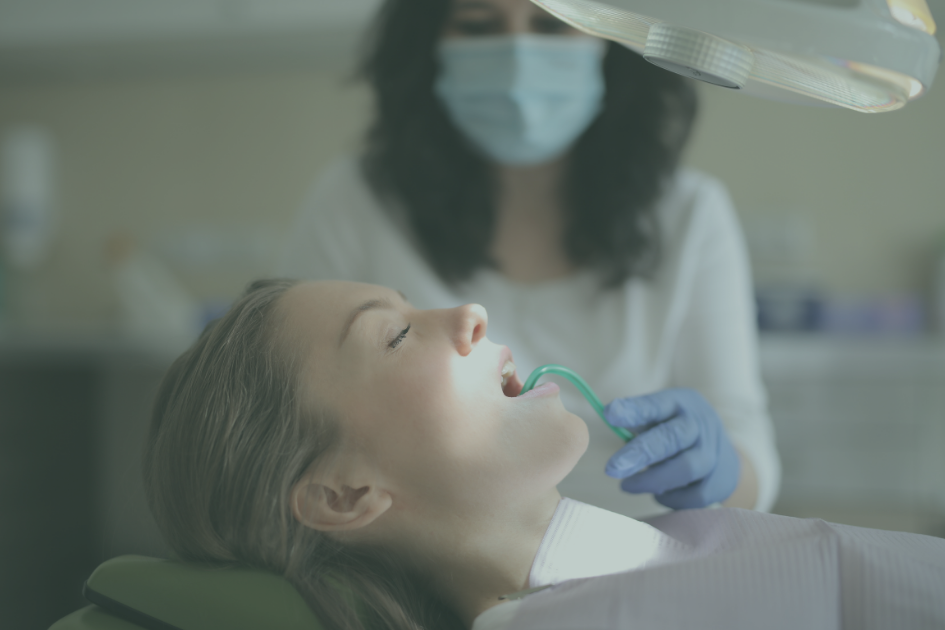

Most people do not think of gum disease as something that applies to them. It is one of those conditions that feels like it happens to other people - people who do not brush enough or who have not seen a dentist in years. The truth is that gum disease is one of the most widespread oral health conditions in the country, and in rural communities across South Central Texas, it goes undetected and untreated more often than almost anywhere else. If you have not given much thought to your gum health lately, this is worth a few minutes of your time.
Why Gum Disease Goes Unnoticed for So Long
It Does Not Always Hurt at First
One of the biggest reasons gum disease slips under the radar is that the early stages are rarely painful. There is no sharp signal telling you something is wrong. Instead, the condition develops quietly over time, which means most people do not notice it until it has already progressed past the earliest and most treatable stage. By the time discomfort shows up, the damage beneath the gumline is often significant. This is exactly why routine dental visits matter so much, because a trained eye can spot what you cannot feel.
Most People Assume Bleeding Gums Are Normal
If your gums bleed when you brush or floss, you might have started treating it as just a normal part of your routine. It is not. Bleeding gums are one of the earliest and clearest signs that something is off. Healthy gums do not bleed from brushing. When they do, it typically means inflammation is already present, which is your body's response to bacterial buildup along and beneath the gumline. The good news is that at this stage, with the right care, the condition is still fully reversible.
Rural Communities in Texas Are at Higher Risk Than Most Realize
Access to dental care in rural Texas is genuinely limited. Dental Health Professional Shortage Areas are disproportionately concentrated in rural parts of the country, and South Central Texas is no exception. When people have to drive significant distances to see a dentist , routine visits get skipped. Minor symptoms get dismissed. And conditions like gum disease, which are entirely manageable when caught early, are left to progress unchecked. Living in a smaller community like Gonzales does not mean you have to accept worse oral health outcomes. It just means being more intentional about the care you do seek out.
What Gum Disease Actually Is
The Difference Between Gingivitis and Periodontitis
Gum disease is not a single condition but a progression. It begins with gingivitis, which is inflammation of the gums caused by bacterial buildup in plaque. At this stage, the damage is still reversible with professional cleaning and improved home care. If gingivitis is left untreated, it advances into periodontitis, a more serious form of gum disease where the infection moves below the gumline and begins to damage the bone and tissue that hold your teeth in place. Unlike gingivitis, periodontitis causes changes that cannot be fully undone, only managed. That distinction is exactly why early detection matters.
What Is Happening Beneath the Gumline
The visible part of gum disease, the redness, the swelling, the bleeding, is only part of the picture. Beneath the gumline, bacteria are working their way into the space between the gums and teeth, forming pockets that deepen over time as the surrounding tissue and bone break down. This process happens slowly and without obvious pain, which is part of what makes it so easy to miss. Digital X-rays and a thorough periodontal evaluation can reveal what is happening in these areas long before visible symptoms become severe.
How Gum Disease Progresses Without Treatment
Left alone, gum disease does not stay at its current stage. Gingivitis becomes periodontitis. Pockets deepen. Bone loss accelerates. Teeth that were once firmly anchored begin to loosen and shift. Gum disease is, in fact, the leading cause of tooth loss in adults, not cavities. And because the progression is gradual and largely painless, many people do not connect the dots until they are facing tooth loss or significant restorative work that could have been avoided with earlier intervention.
The Warning Signs You Should Not Ignore
Gums That Bleed When You Brush or Floss
This is usually the first sign and the one most commonly dismissed. If your gums bleed regularly during brushing or flossing, bring it up at your next dental visit. Do not wait for the bleeding to get worse or hope it resolves on its own. Consistent bleeding is a signal worth taking seriously.
Gums That Look Red, Swollen, or Puffy
Healthy gums are firm and pale pink. Gums that appear red, darker than usual, or visibly swollen are showing signs of inflammation. This can show up gradually, which is another reason it often goes unnoticed. If your gums look different than they used to or feel tender to the touch, that is worth mentioning to your dentist.
Gums That Are Pulling Away From Your Teeth
Gum recession happens when the gum tissue begins to pull back from the tooth surface, exposing more of the tooth and sometimes the root. You might notice your teeth looking longer than they used to, or you might feel increased sensitivity along the gumline. Recession is a sign that gum disease has progressed and that the supporting structures of the tooth are being affected.

Persistent Bad Breath That Does Not Go Away
Occasional bad breath after coffee or a heavy meal is one thing. Bad breath that lingers regardless of brushing, flossing, and rinsing is something else. Chronic bad breath is often a sign of bacterial buildup deep in the gum tissue, the kind that regular brushing cannot reach. It is one of the most commonly overlooked symptoms of active gum disease.
Teeth That Feel Loose or Have Shifted
If a tooth that has always felt stable suddenly feels like it has a little give to it, or if you notice that your bite feels different, these are signs that the bone and tissue supporting your teeth may have been compromised. Loose or shifting teeth indicate that gum disease has been active for some time and that treatment is needed promptly to prevent further loss.
The Connection Between Gum Disease and Your Overall Health
The Link Between Gum Disease and Heart Disease
The connection between oral health and cardiovascular health has been studied extensively, and the findings are consistent. Bacteria from infected gum tissue can enter the bloodstream and contribute to inflammation throughout the body, including in the arteries. People with untreated periodontal disease have a measurably higher risk of heart attack and stroke. Keeping your gums healthy is not just about keeping your teeth. It is about keeping your whole body in better shape.
How Gum Disease Affects Blood Sugar in Diabetic Patients
Gum disease and diabetes have a two-way relationship that makes each condition harder to manage. Inflammation from periodontal disease can contribute to insulin resistance, making blood sugar more difficult to control. At the same time, elevated blood sugar creates an environment where oral bacteria thrive, worsening gum disease. For patients managing diabetes in Gonzales and surrounding communities, periodontal care is genuinely part of overall disease management, not a separate concern.
Why Pregnant Women Need to Pay Extra Attention to Their Gums
Hormonal changes during pregnancy can make gums more sensitive and more susceptible to inflammation, a condition sometimes called pregnancy gingivitis. Research has also found associations between untreated gum disease and preterm birth and low birth weight. Pregnant patients or those planning to become pregnant should let their dental team know so that gum health can be closely monitored throughout that period.
Other Systemic Conditions Tied to Untreated Gum Disease
Beyond heart disease and diabetes, untreated periodontal disease has been linked to respiratory conditions, kidney disease, and rheumatoid arthritis. The common thread is inflammation. When the body is fighting a chronic bacterial infection in the gums, that inflammatory response does not stay contained to the mouth. Taking care of your gum health is one of the more meaningful things you can do for your health overall.
What Gum Disease Treatment Looks Like at Smiles of Gonzales
A Thorough Evaluation Comes First
Before any treatment is recommended, the team at Smiles of Gonzales conducts a full evaluation to understand where your gum health currently stands. This includes a visual examination, measurement of gum pocket depths, and digital x-rays to assess what is happening beneath the gumline. The goal is an accurate picture of what is going on before anything is suggested, so that any treatment recommended is actually appropriate for your situation.
Scaling and Root Planing: What It Is and What to Expect
For patients with active gum disease, scaling and root planing is often the first line of treatment. It is a deep cleaning procedure that goes below the gumline to remove bacterial deposits and smooth the root surfaces so that gum tissue can reattach and heal. It is typically done in sections over a couple of appointments, and local anesthetic is used to keep you comfortable throughout. Most patients are surprised by how manageable the process is and notice a meaningful improvement in how their gums look and feel in the weeks following treatment.
How the Team Makes Treatment Comfortable for Anxious Patients
If the idea of periodontal treatment makes you nervous, you are not alone and you will not be judged for it. The team at Smiles of Gonzales takes an unhurried approach with patients who feel anxious, walking through exactly what will happen before anything begins and checking in throughout the appointment. Sedation options are also available for patients who need a little extra support to feel at ease. The priority is always your comfort, and that does not change because the procedure is clinical.
What Happens After Treatment and How to Stay on Track
Gum disease treatment does not end when you leave the office. After scaling and root planing, your dentist will recommend a maintenance schedule , often every three to four months, to monitor your healing and keep the condition from returning. These follow-up visits are a meaningful part of the process. Staying consistent with them, along with maintaining good habits at home, is what keeps the progress you made from backsliding.
How to Protect Your Gums at Home Between Visits
Brushing the Right Way Actually Matters
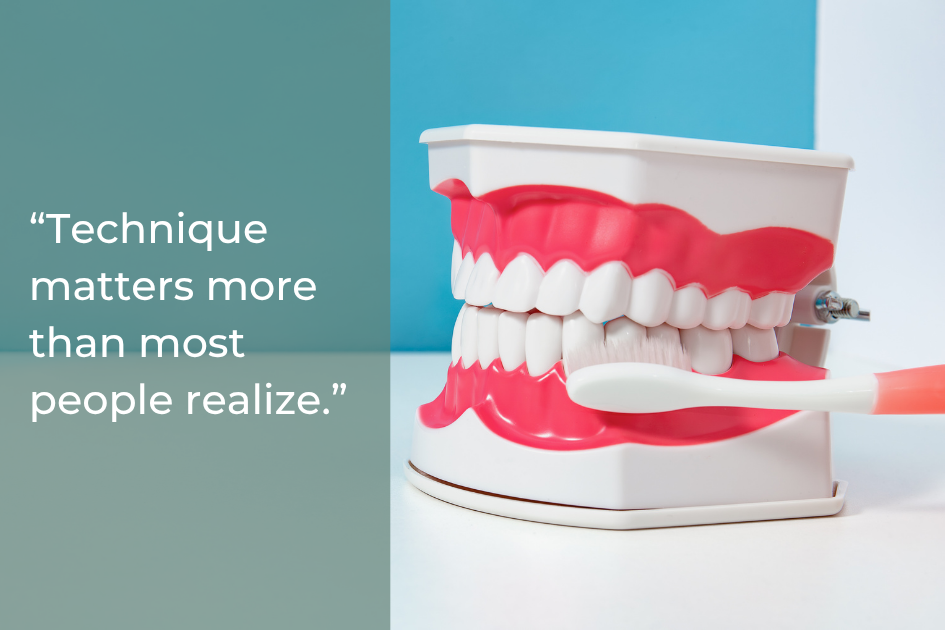
Technique matters more than most people realize. A soft-bristled toothbrush angled at 45 degrees toward the gumline allows you to clean the area where gum disease begins rather than just brushing the tooth surfaces. Two minutes, twice a day, with consistent attention to the gumline is the standard. If you are not sure whether your technique is effective, ask your hygienist at your next visit.
Flossing Is Not Optional if You Want Healthy Gums
Brushing alone cannot reach the spaces between your teeth, and that is exactly where gum disease tends to begin. Daily flossing removes the plaque and bacteria that accumulate in those areas before they can cause damage. If traditional floss is difficult to use, interdental brushes or water flossers are effective alternatives. The goal is just to make sure those spaces are being cleaned consistently.
What Your Diet Has to Do With Gum Health
What you eat has a direct effect on the bacterial environment in your mouth. Diets high in sugar feed the bacteria that cause gum disease and tooth decay. On the other hand, foods rich in vitamin C support gum tissue health, and staying well hydrated throughout the day helps rinse bacteria and food particles away between brushing. Small, consistent dietary choices add up over time and make a real difference in how your gums respond.
Why Consistent Dental Visits Are the Best Prevention
No amount of at-home care fully replaces a professional cleaning. Tartar buildup, which is hardened plaque that cannot be removed with a toothbrush, can only be cleared by a dental professional. Regular cleanings and exams give your team the chance to spot early signs of gum disease before they require more involved treatment. For most patients, twice a year is the standard. For patients with a history of gum disease, more frequent visits are usually recommended.
Your Gums Are Telling You Something - It Is Worth Listening
Gum disease does not usually announce itself loudly. It shows up in small, easy-to-dismiss ways, bleeding when you brush, gums that look a little puffier than usual, breath that does not seem to respond to mouthwash. Those small signs are worth paying attention to, because they are almost always easier to address the earlier they are caught. For patients in Gonzales, Seguin, Luling, and across South Central Texas, the team at Smiles of Gonzales is ready to take a look and give you a clear, honest picture of where your gum health stands. Schedule a cleaning and exam and let them take it from there.